Watch on YouTube
(Embed)
465
22
Genre: Education
License: Standard YouTube license
Family friendly? Yes

Shared February 11, 2025
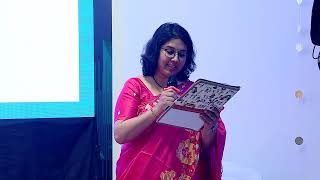
Guru Ravidas Jayanti falls on the full moon of the month of Magh in the Hindu lunar calendar. Observed on February 12 this year, it is an occasion to honour the legacy of Sant Ravidas, a 16th century Bhakti poet and social reformer who envisioned a world free from sorrow, inequality, and oppression. His concept of Begumpura—a city without grief—was a revolutionary idea, challenging the rigid caste system and envisioning a society where all are equal, free, and unburdened by discrimination.
Begumpura is not just a poetic yearning. It is a call for justice, dignity, and harmony. It represents a land where happy people walk without fear, and where poverty, social hierarchy, and suffering do not exist. Scholar Gail Omvedt described it as a utopia free from pain, taxes, and oppression—an idea that resonates with modern democratic and constitutional values.
Born into a tanner’s family, Ravidas used his voice to challenge societal tyranny, declaring that wisdom and devotion transcend birth and status. His verses remain a beacon for those who dream of a just and equitable world.
As Prof. Amit Basole explores in Bhakti Republic, the poetry of Bhakti saints like Ravidas continues to inspire movements for social change, echoing the principles of liberty and equality enshrined in the Constitution of India, a modern republic.


123K views

Best Of Jaspal Bhatti and Sunil Grover | Full Tension | Sunil Grover|Savita Bhatti|Indian TV Classic
1.1M views


688K views

881K views
We Need To Talk and Sadhguru
695K views